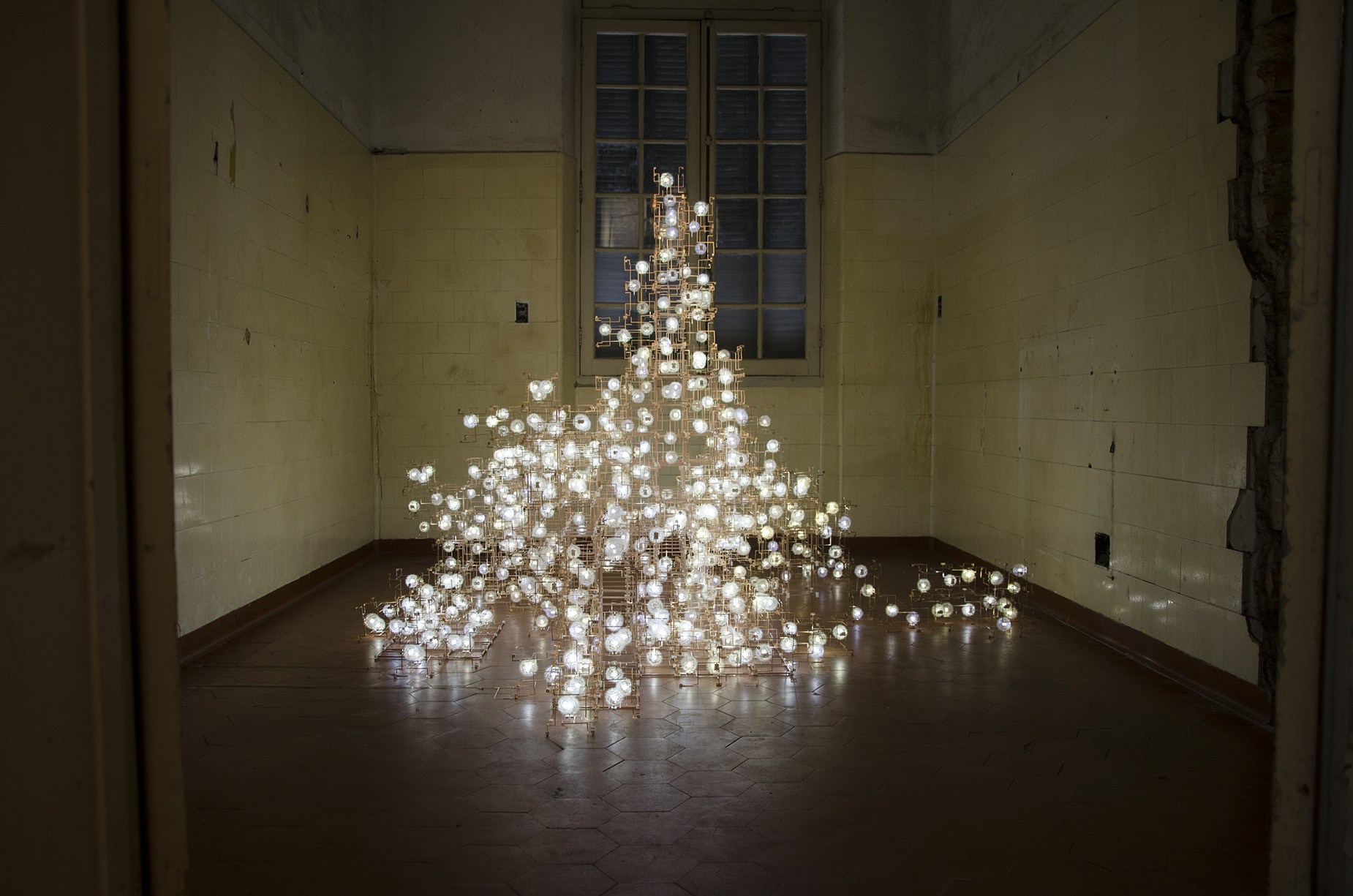
Building Fragile Future, Room by Room
A look at how the studio rebuilt Fragile Future for the museum’s largest hall, from hand-placed seed hea...
Read story →

Two decades of immersive work by Lonneke Gordijn and Ralph Nauta — kinetic sculpture, living light and nightly indoor drone performances — at an unprecedented scale.
DRIFT Museum brings the studio's entire body of work under one roof for the first time. Signature installations — Fragile Future, Flylight, Shylight — are shown alongside new commissions, monumental kinetic sculptures and choreographed drone performances staged indoors.
Rooms are built around the works rather than the reverse: 14 metre ceilings, blackout halls, and a central nave where a swarm of one thousand luminous blocks takes flight every evening at dusk.
Built in 1898 as a machine factory on the Oostenburgergracht, the Van Gendt Hallen have been stripped back to their steel bones and rebuilt as a net-positive-energy building — generating more than it consumes, and returning the surplus to the neighbourhood grid.
Rainwater cooling, a photovoltaic roof skin and thermal storage under the quay make the building itself the museum's largest artwork about our relationship with the earth.
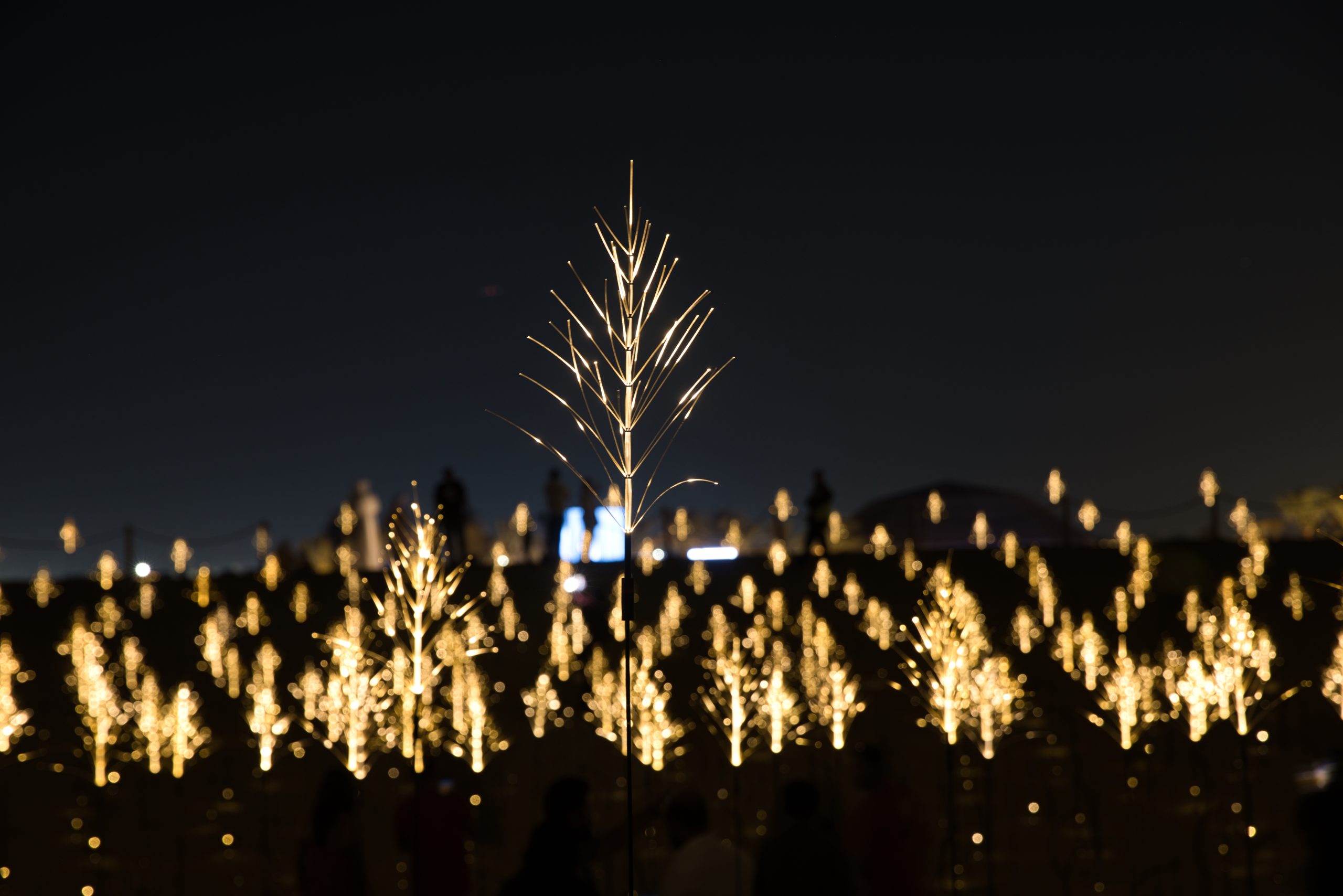
Read about the renovation →Bronze circuits and hand-placed dandelion seeds, grown into a room-scale light sculpture.
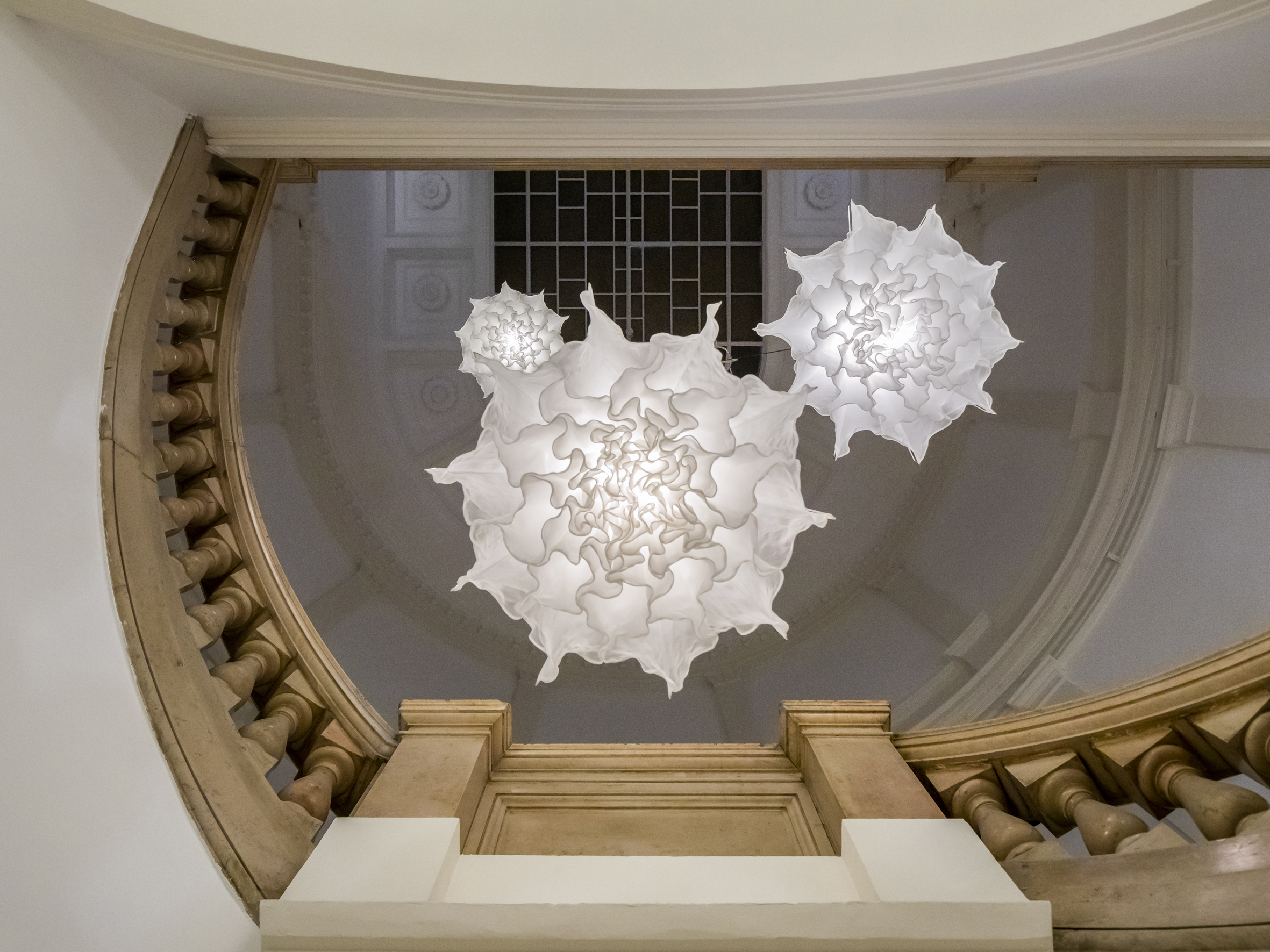
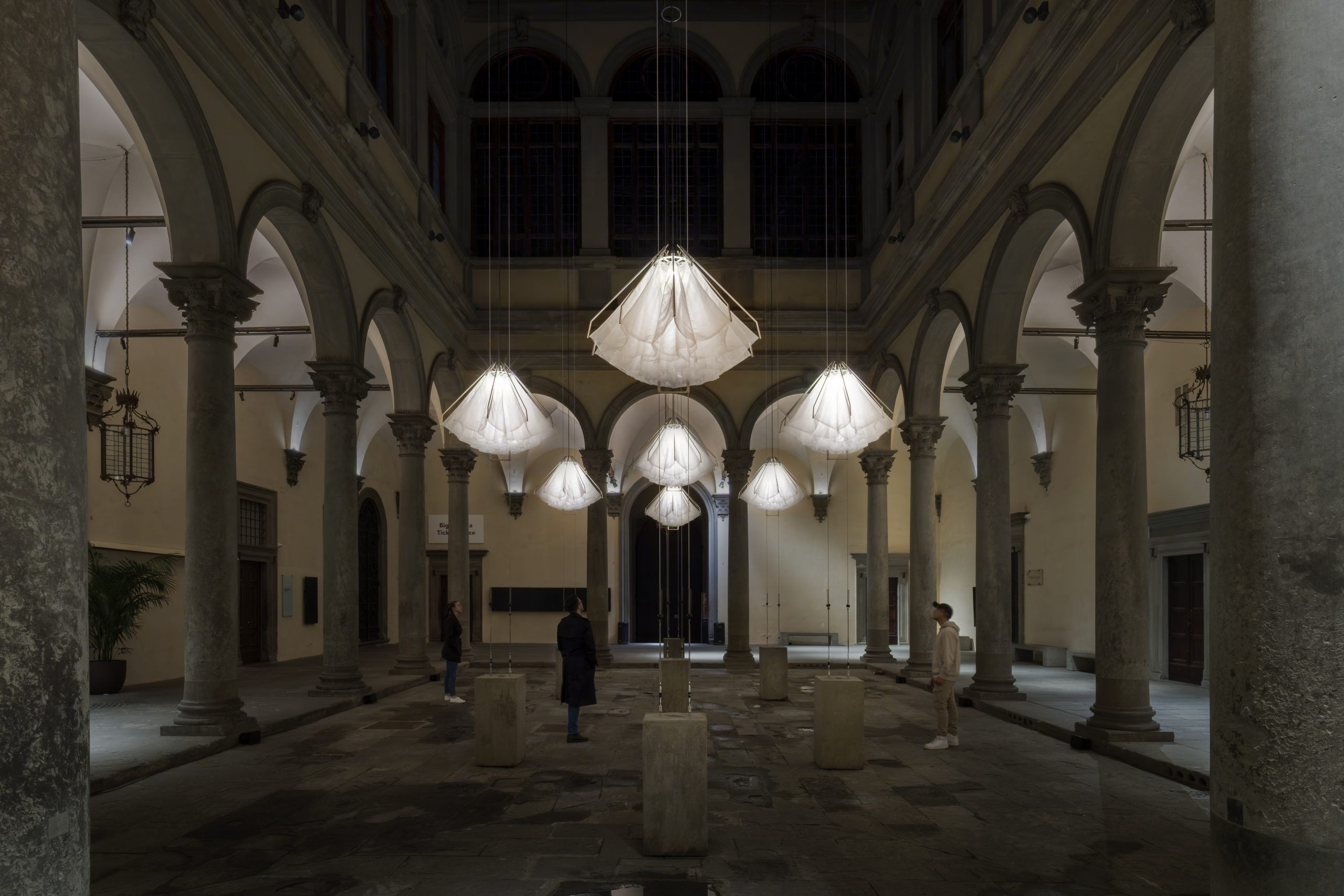
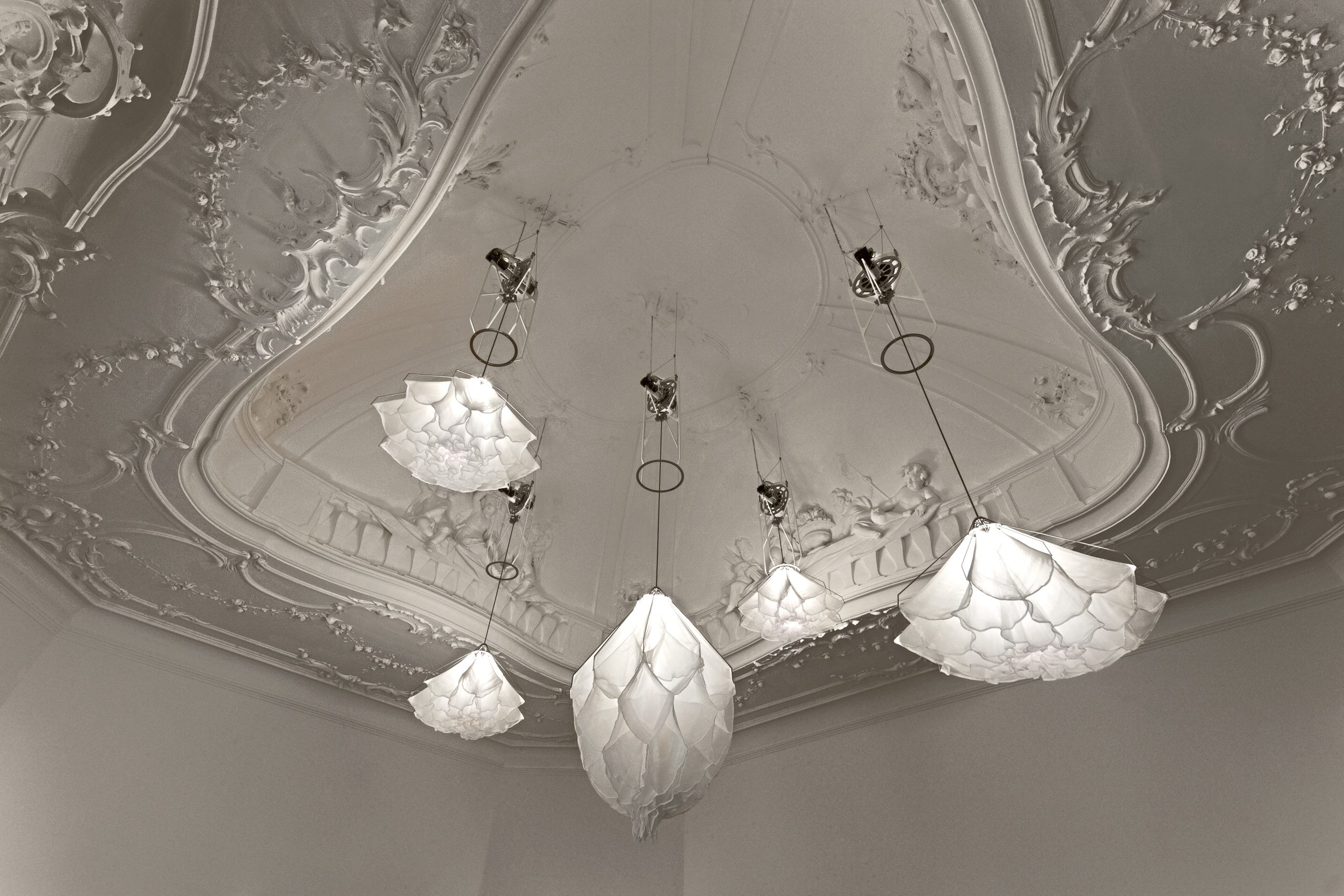
Silk flowers that descend, blossom and retreat — nyctinasty rendered in robotics.
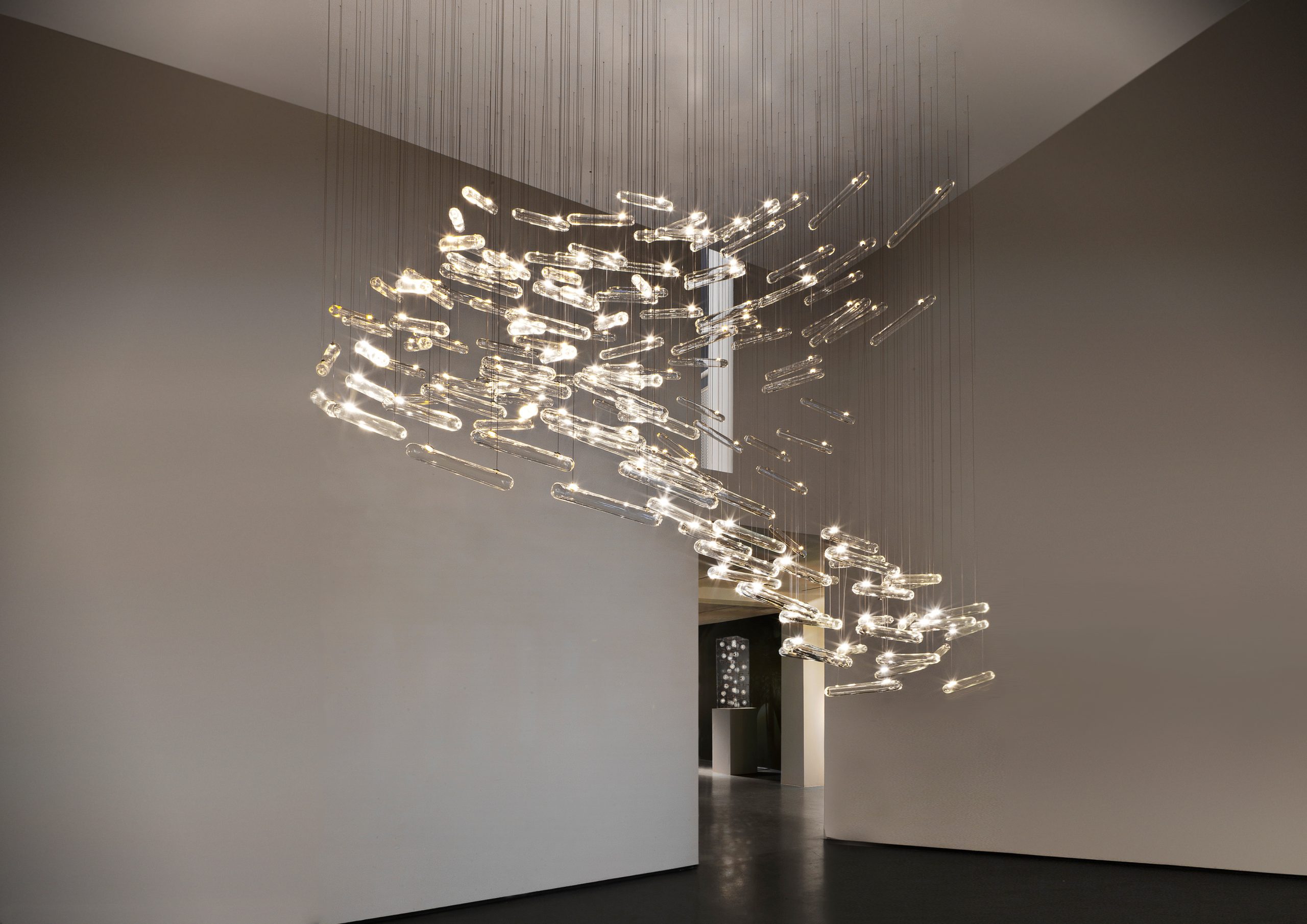
Hundreds of glass tubes flocking like starlings, reacting to the people beneath them.
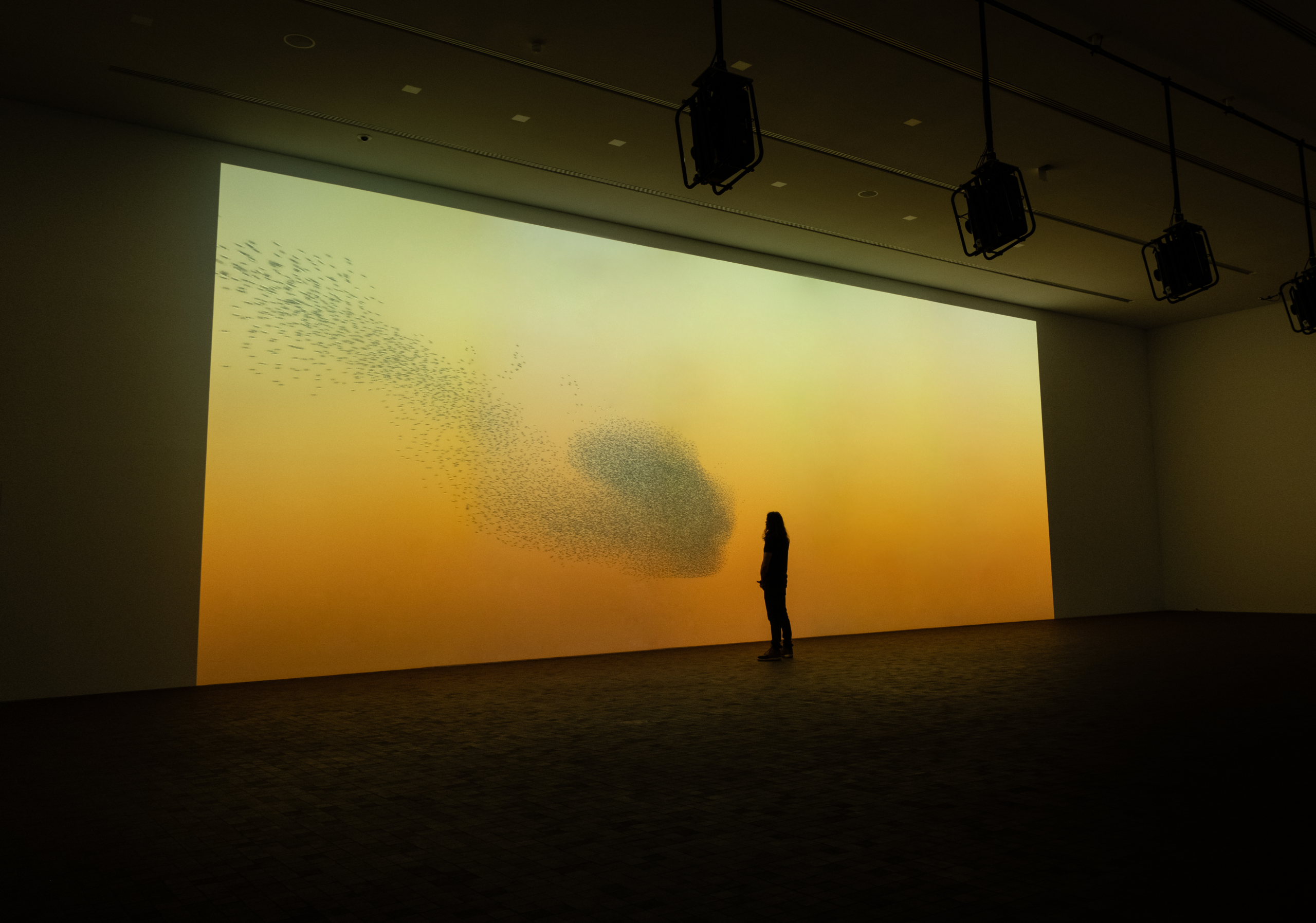
A real-time swarm that reads the movement of the hall and answers it, wall to wall.
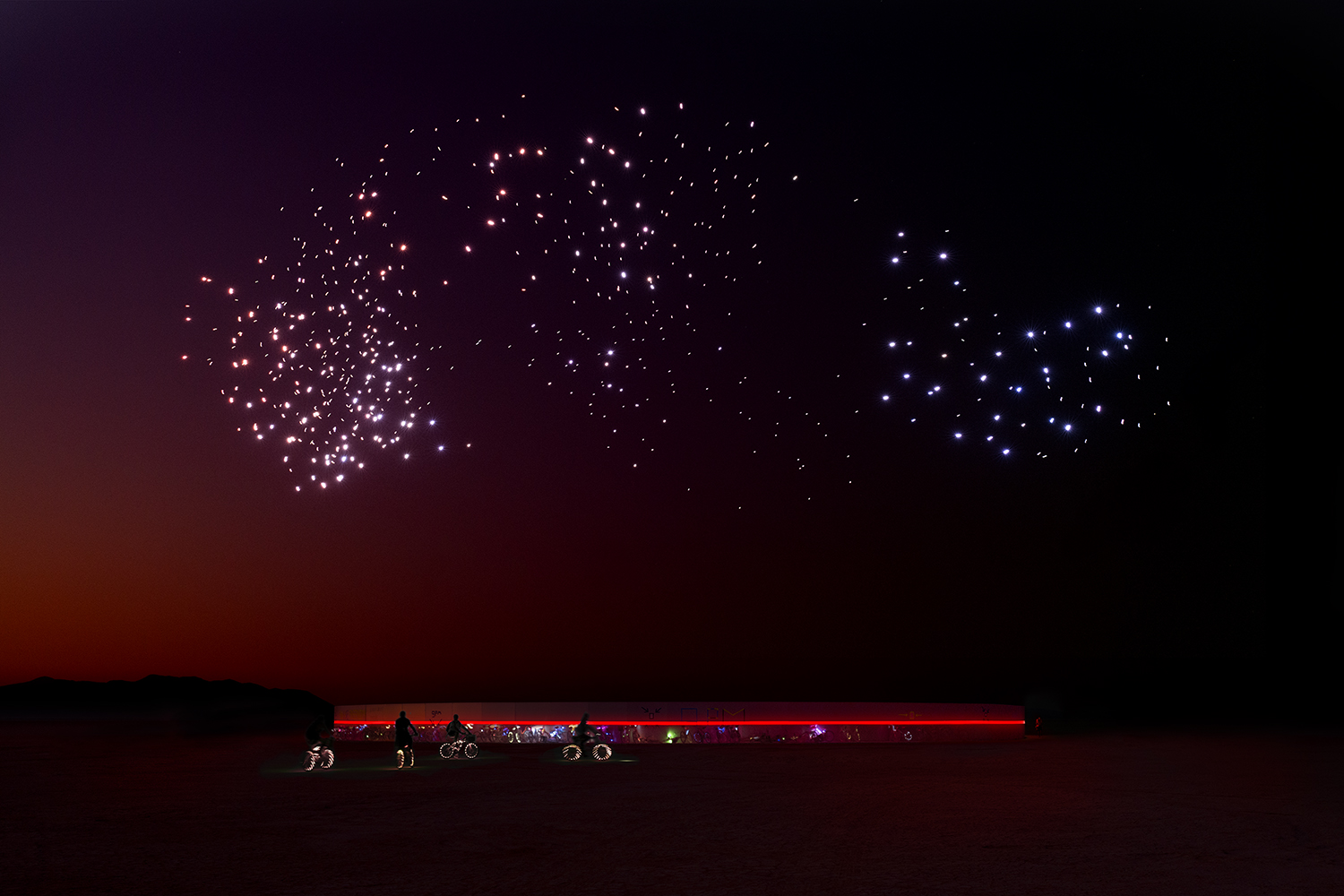
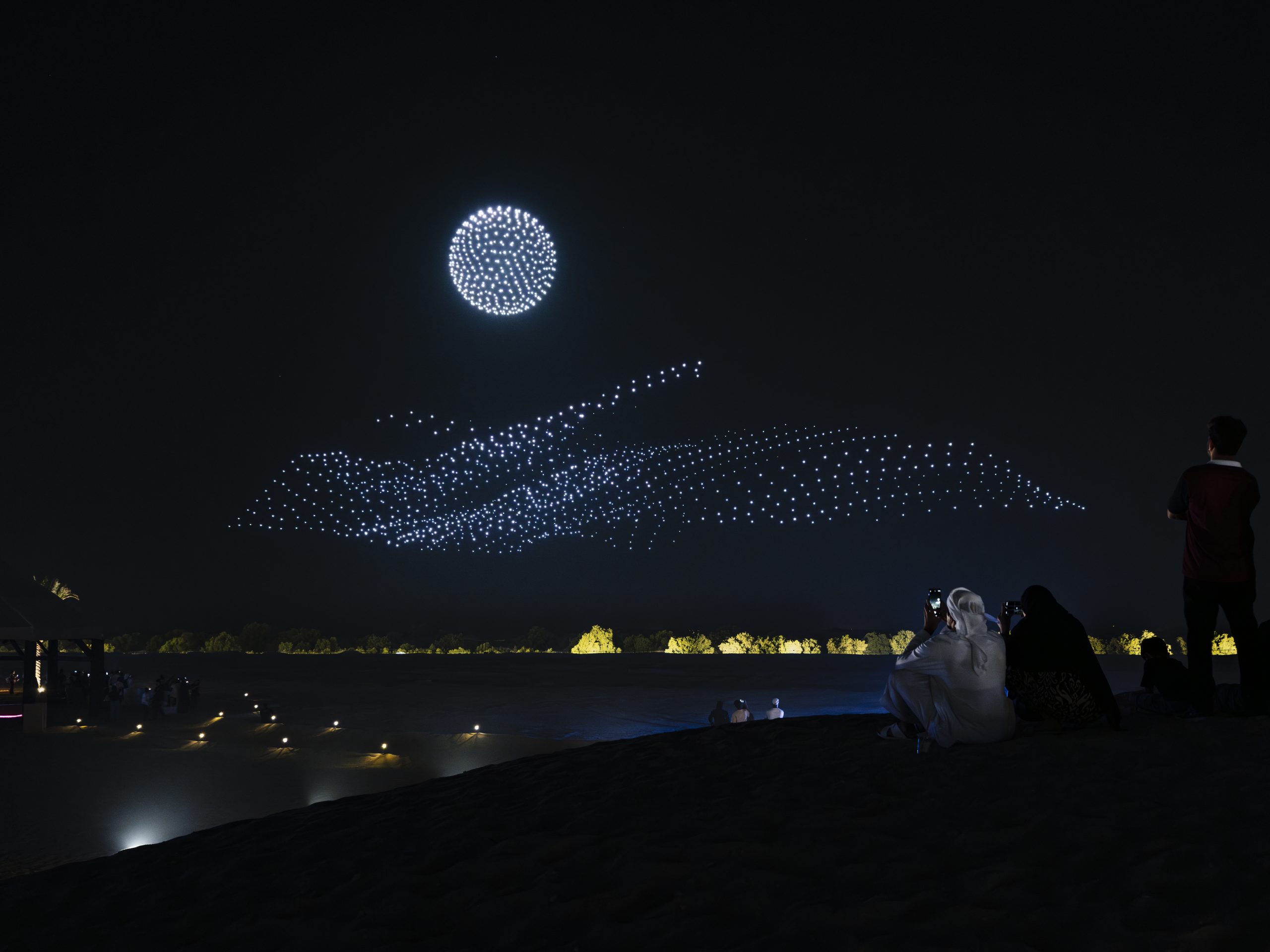
Three hundred drones flocking indoors above the nave — the first permanent staging.
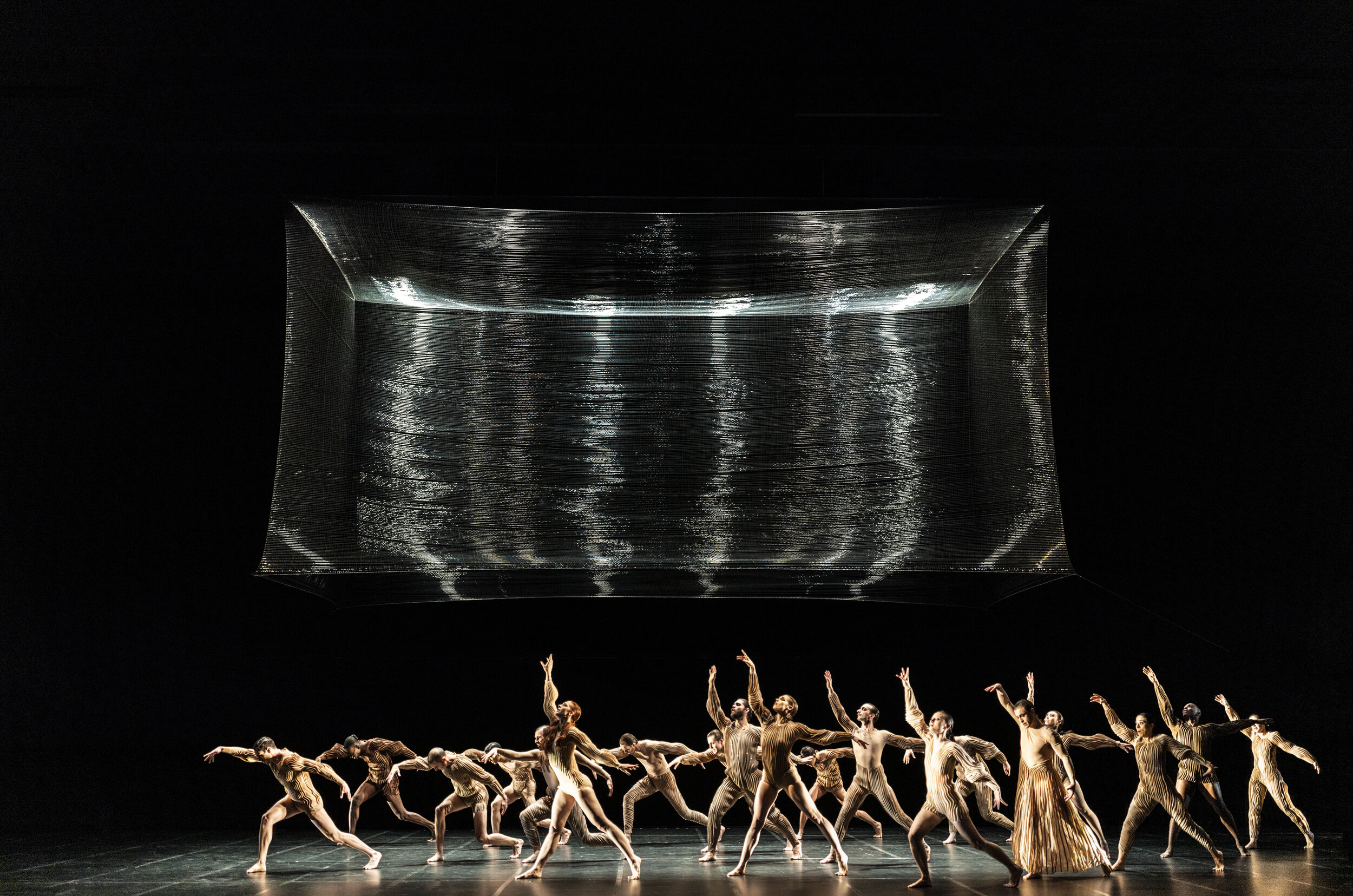
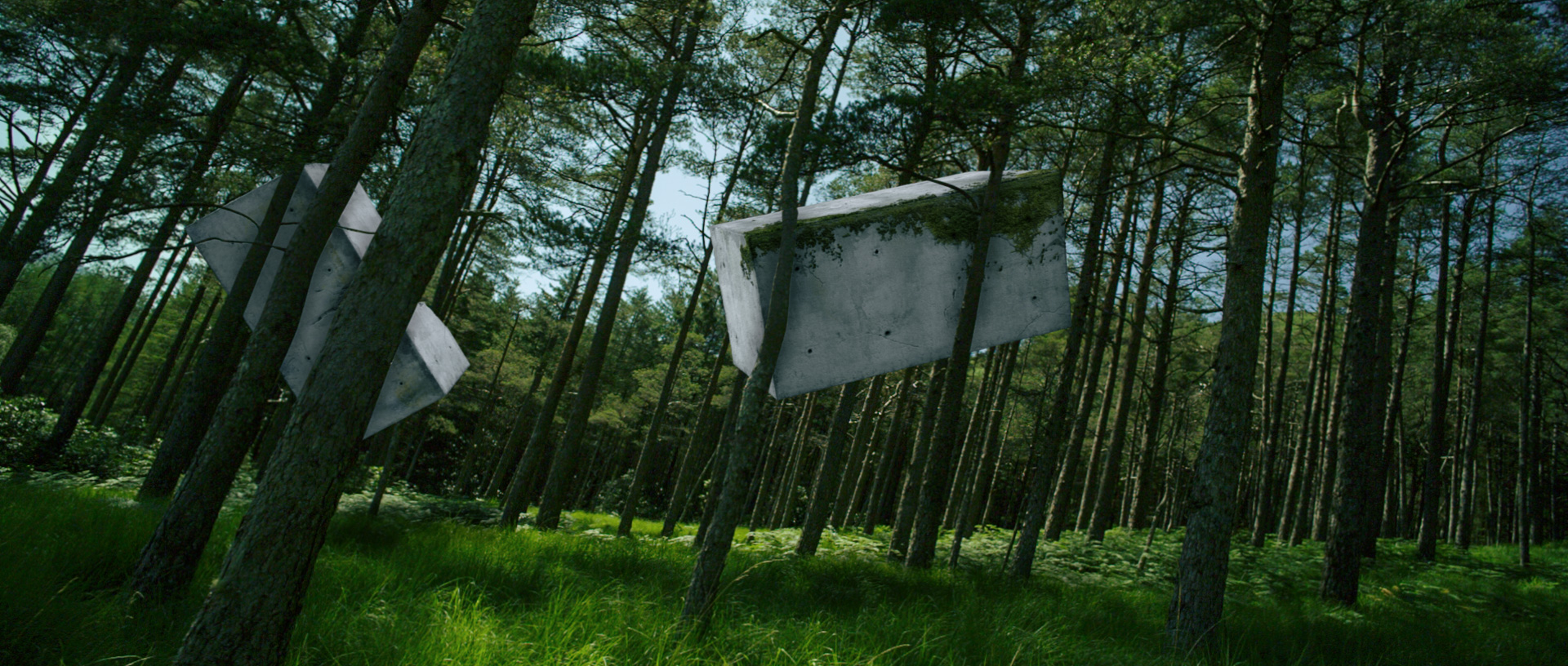
A block of hair-thin light suspended mid-air, dissolving and reforming overhead.
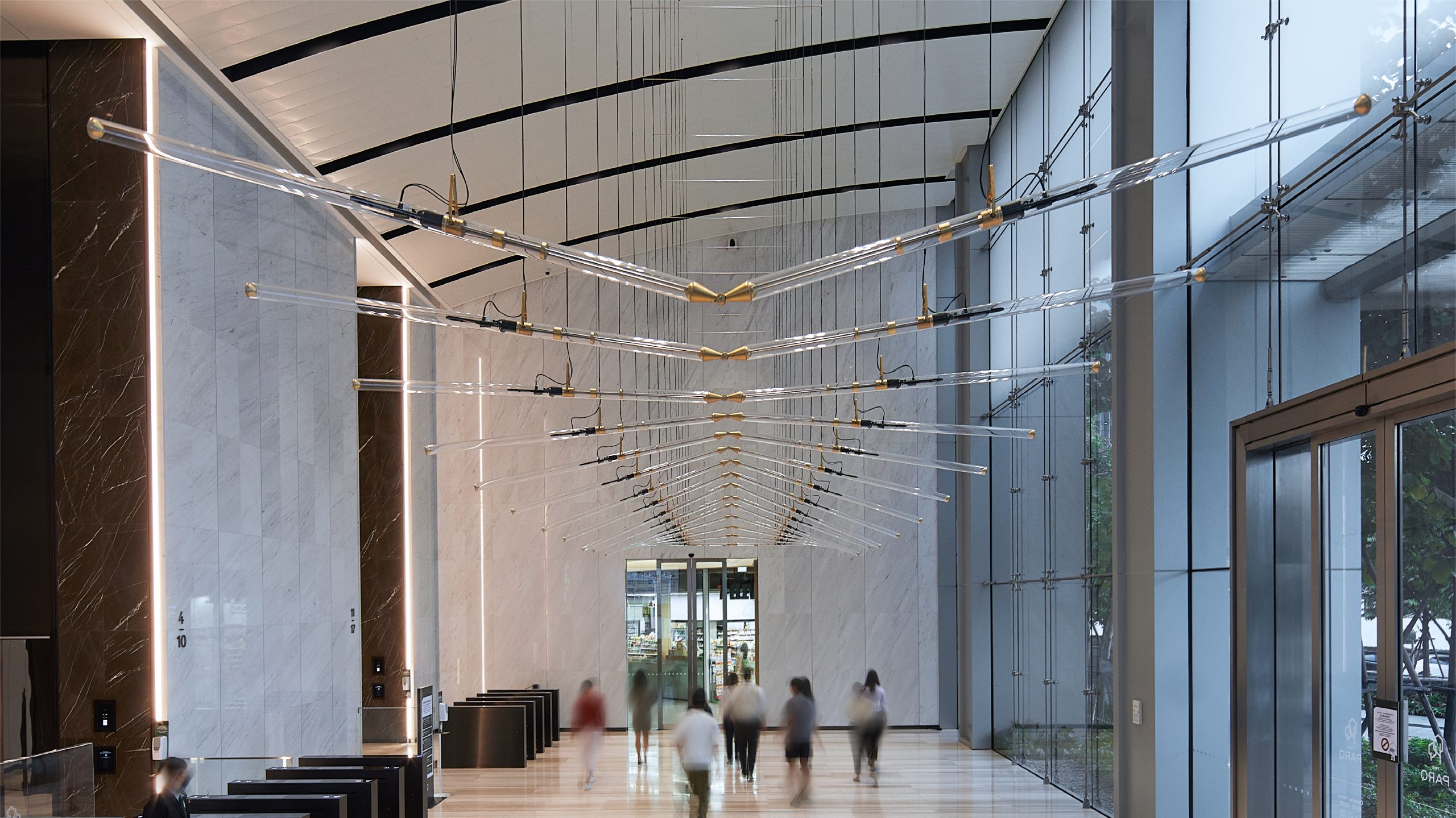
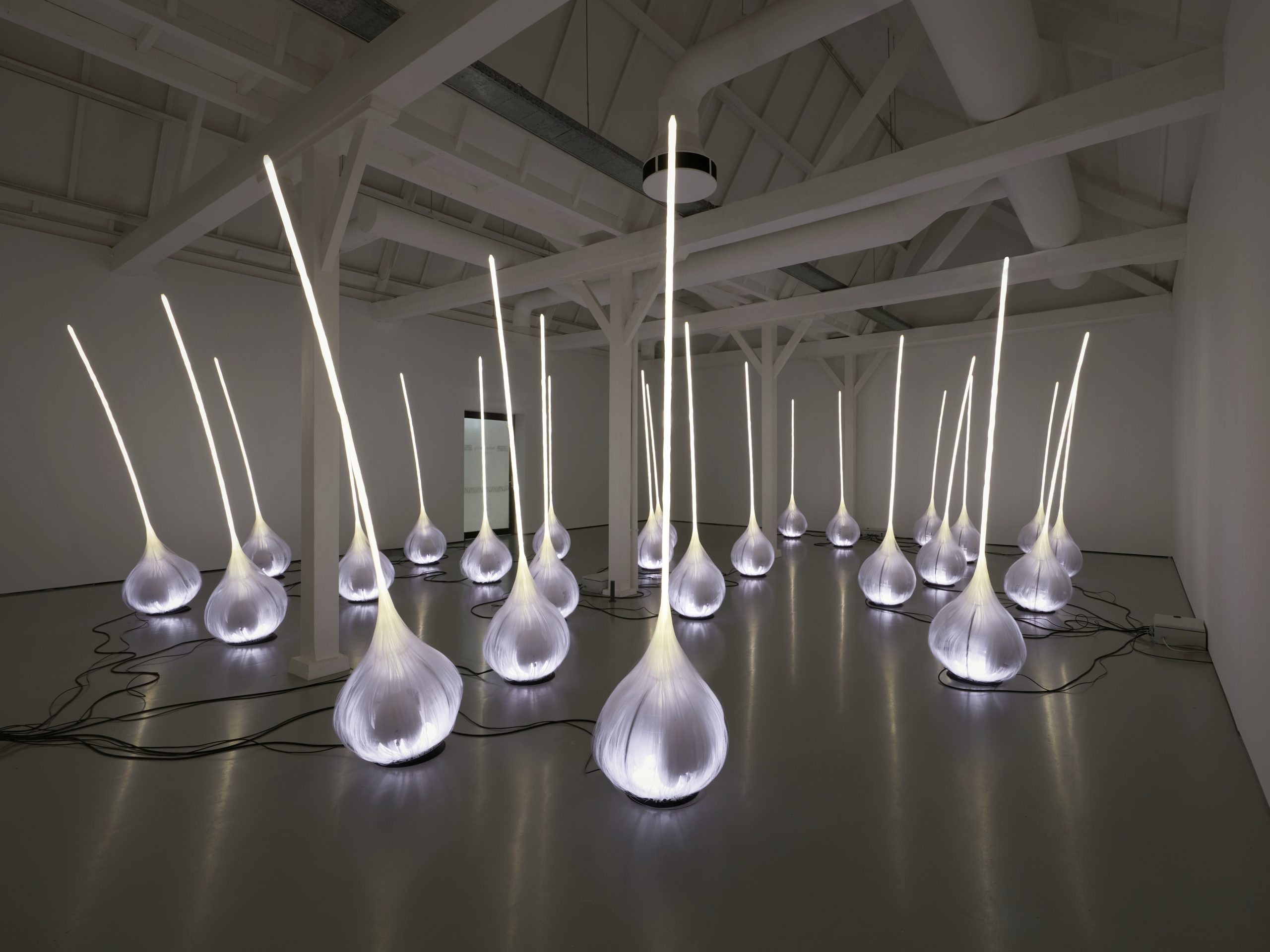
A slow mechanical breath, measuring the room in light and silence.
The halls open for the first time with the complete Fragile Future series — three rooms of bronze circuitry and hand-placed dandelion seeds, including two configurations never shown publicly. Lonneke Gordijn and Ralph Nauta walk the floor throughout the weekend.
Three hundred drones take flight indoors beneath the 14-metre roof, flocking like starlings above the nave.
Twenty years of practice in ninety minutes: the founders on failure, on building a studio, and on what comes next.
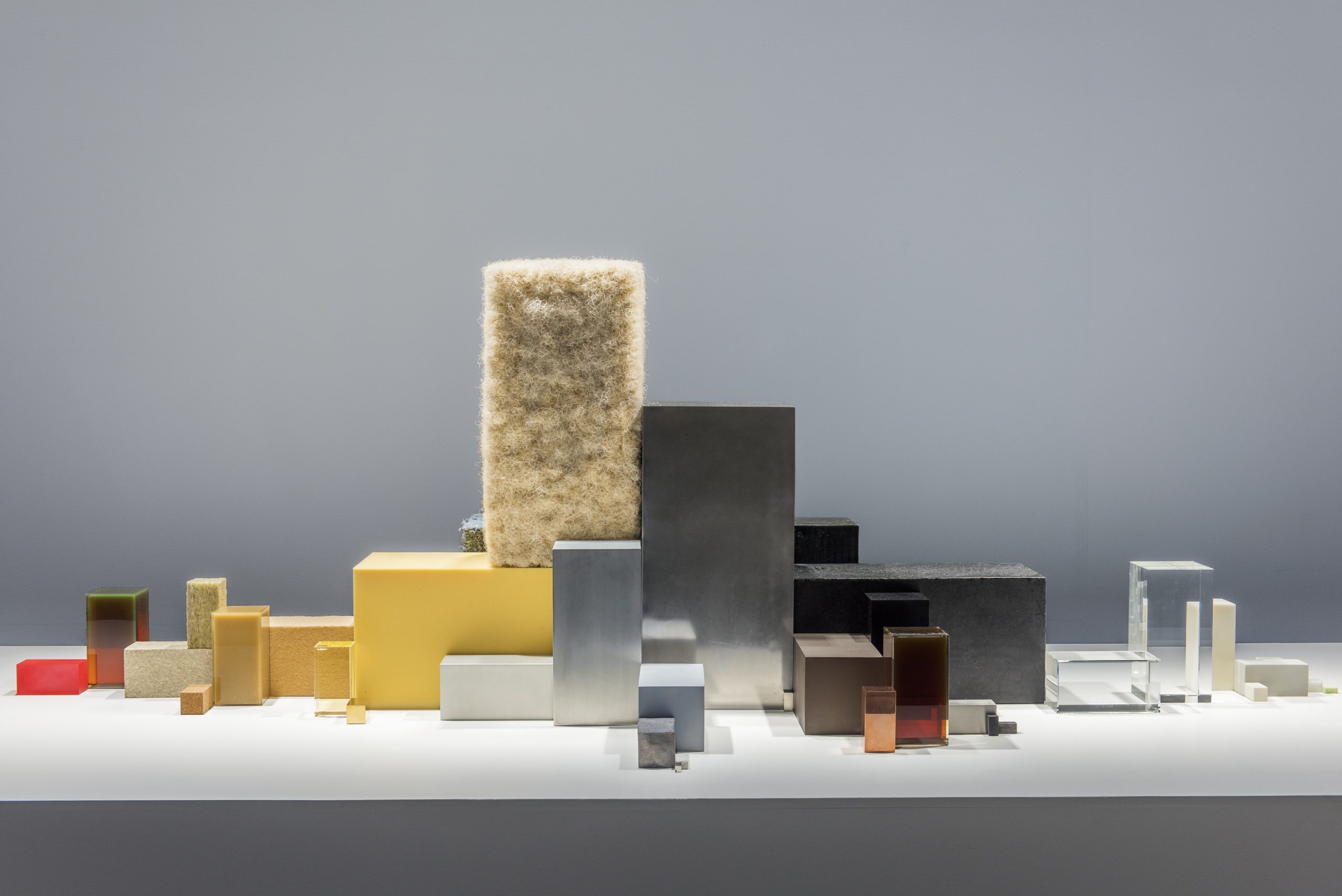
Everyday objects taken apart and rebuilt as blocks of their raw materials, to the gram.
Two hours in the halls before the doors open to the public. No talking, no tours — just the work.
“You do not look at these works so much as stand inside their weather.”
“My daughter asked whether the flowers were sleeping. We stayed until closing.”
“The most convincing argument yet that a building can give more than it takes.”
A look at how the studio rebuilt Fragile Future for the museum’s largest hall, from hand-placed seed hea...
How Franchise Freedom became a twenty-minute indoor performance staged every evening at dusk in the Nave. ...
The new Materialism series unpacks a Volkswagen Beetle, a violin and a smartphone into their raw material comp...
The Coded Nature wing brings together five years of work exploring growth patterns generated by simple rules. ...
The building’s rainwater cooling and photovoltaic roof skin earned recognition ahead of the spring openi...
Ahead of their Auditorium talk, the founders reflect on two decades of building a studio around collaboration ...